How Ancient Centres of Knowledge Shaped the Modern World

Mahacaraka® Press
Long before modern universities and digital libraries, ancient civilisations built powerful centres of knowledge that shaped the course of human history. These institutions—spanning from Alexandria and Nalanda to Baghdad and Timbuktu—were more than places of study. They were engines of intellectual progress where ideas crossed borders, disciplines evolved, and scholars laid the groundwork for science, philosophy, and global culture. Their impact was immediate, their influence lasting.
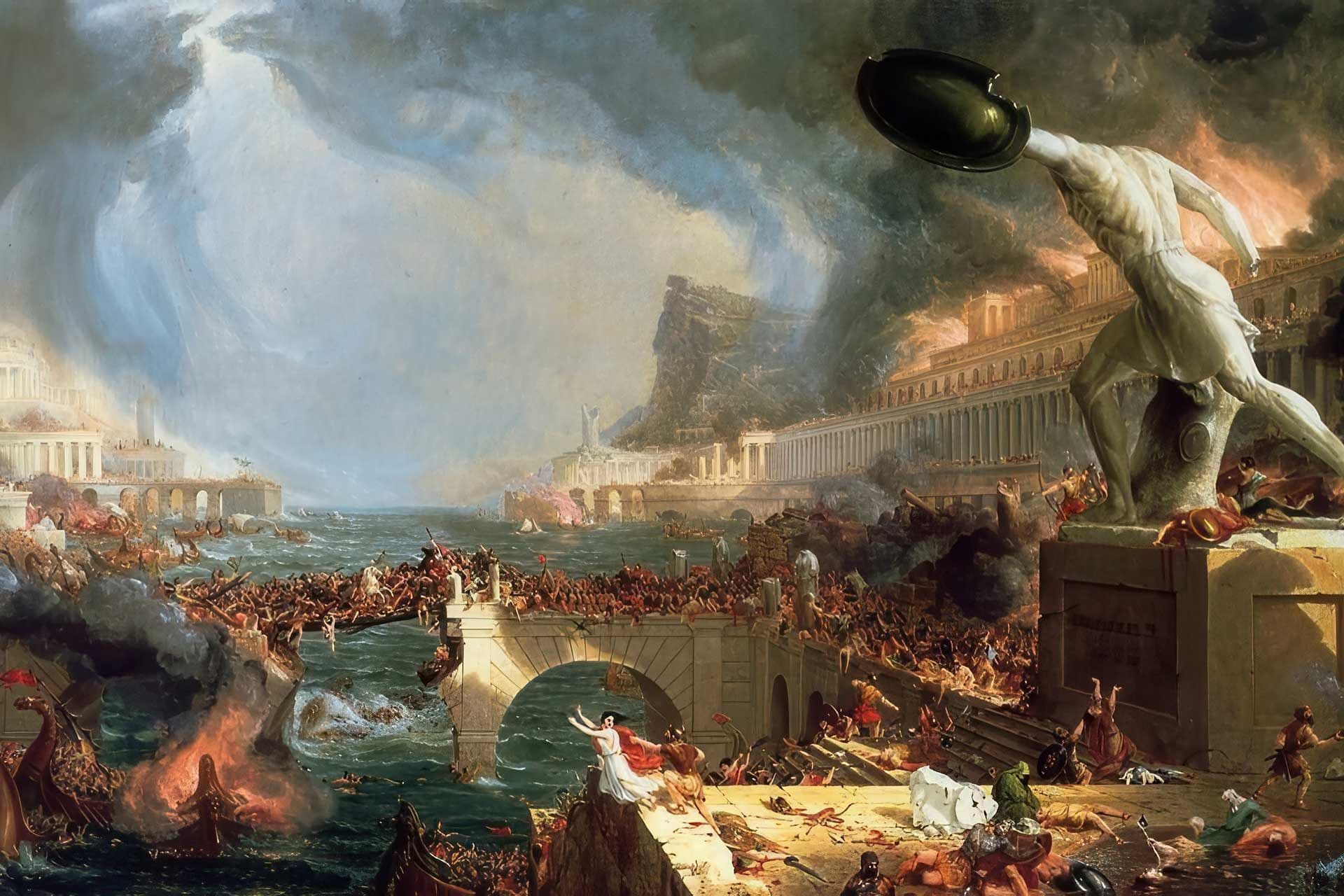
The development of these centres was often driven by rulers who understood the strategic power of knowledge. Rather than being isolated scholars, intellectuals were embedded in thriving academic communities, supported by state or religious institutions. These environments encouraged cross-cultural exchange, innovation, and systematic inquiry. Although political shifts, invasions, and neglect led to the decline of many of these places, their contributions to global knowledge systems are enduring.
Perhaps the most renowned of these institutions was the Library of Alexandria, established in Egypt during the 3rd century BCE. Far more than a collection of scrolls, it was a dynamic research centre within the Mouseion, a temple dedicated to the Muses. The Ptolemaic rulers aimed to gather every text known to the world, sourcing works from Greece, Egypt, India, and Mesopotamia. Scholars worked to translate and comment on these texts, creating new interpretations and preserving lost works. Though the exact cause and timing of its destruction remain debated, the loss of the library is universally recognised as a major blow to ancient scholarship. Yet its ambition inspired the very concept of universal knowledge that still drives global academic institutions today.
Further east, Nalanda in northern India emerged as one of the earliest residential universities in the world. Operating from the 5th to the 12th century CE, it attracted thousands of students and teachers from across Asia. The curriculum was extensive, covering not only Buddhist philosophy but also grammar, mathematics, medicine, and astronomy. The Chinese pilgrim Xuanzang documented his years at Nalanda, later carrying its teachings back to China. The institution exemplified a spirit of global learning and was instrumental in shaping the intellectual landscape of Asia. Although destroyed during a series of invasions in the late 12th century, Nalanda’s influence echoes in the monastic learning systems across Tibet, China, and Southeast Asia.
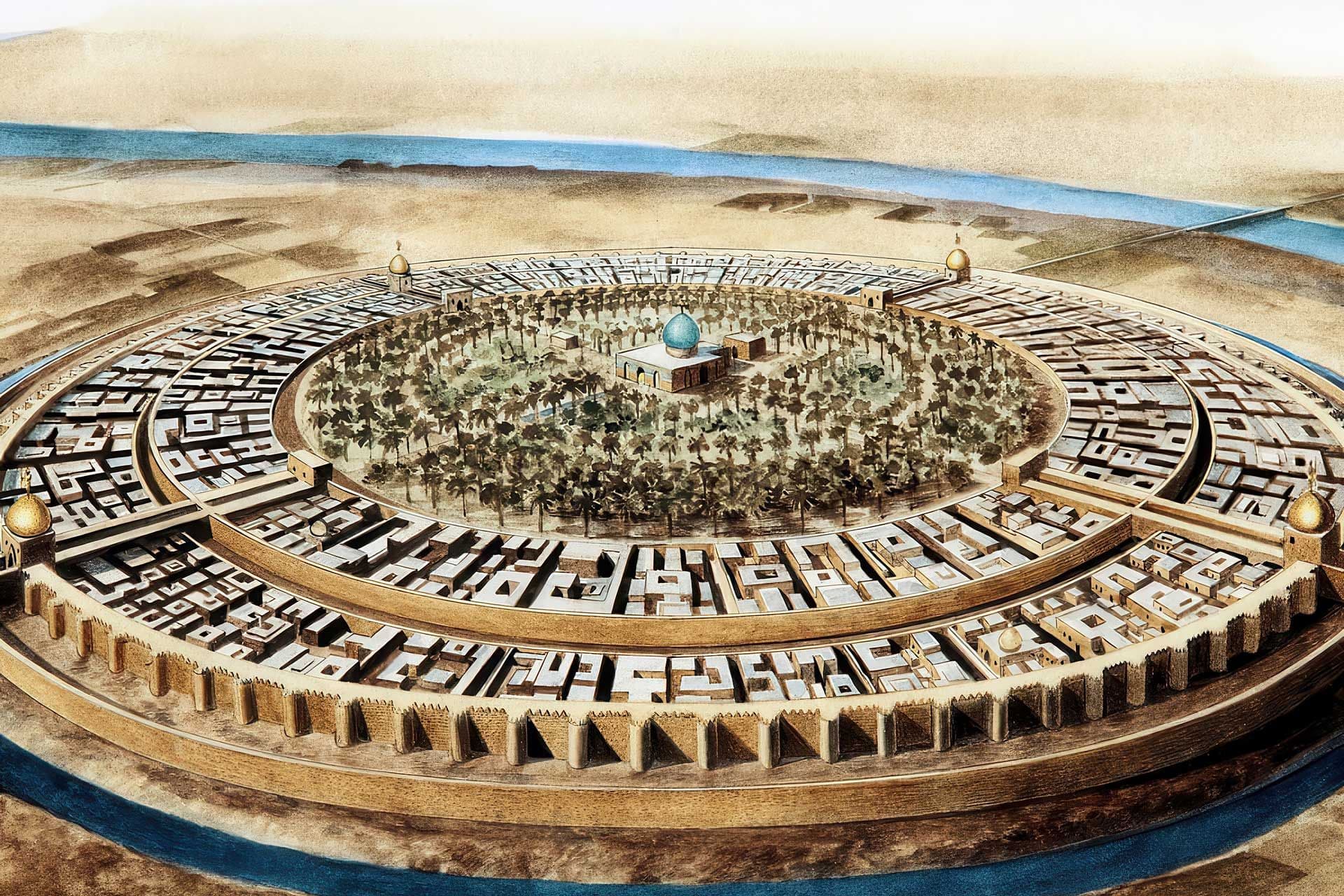
The Islamic Golden Age, spanning the 8th to 13th centuries, saw Baghdad become the epicentre of scholarly activity. The Bayt al-Hikma, or House of Wisdom, established under the Abbasid caliphs, played a central role in translating and expanding upon Greek, Persian, and Indian texts. Scholars like Al-Khwarizmi advanced algebra, while physicians such as Al-Razi and Ibn Sina revolutionised medical practice. These thinkers did not merely preserve earlier knowledge—they refined and expanded it, contributing original insights that later reached Europe through Spain and the Crusader states. The intellectual bridge from Baghdad to the West was essential in fuelling Europe’s later scientific and philosophical revival.
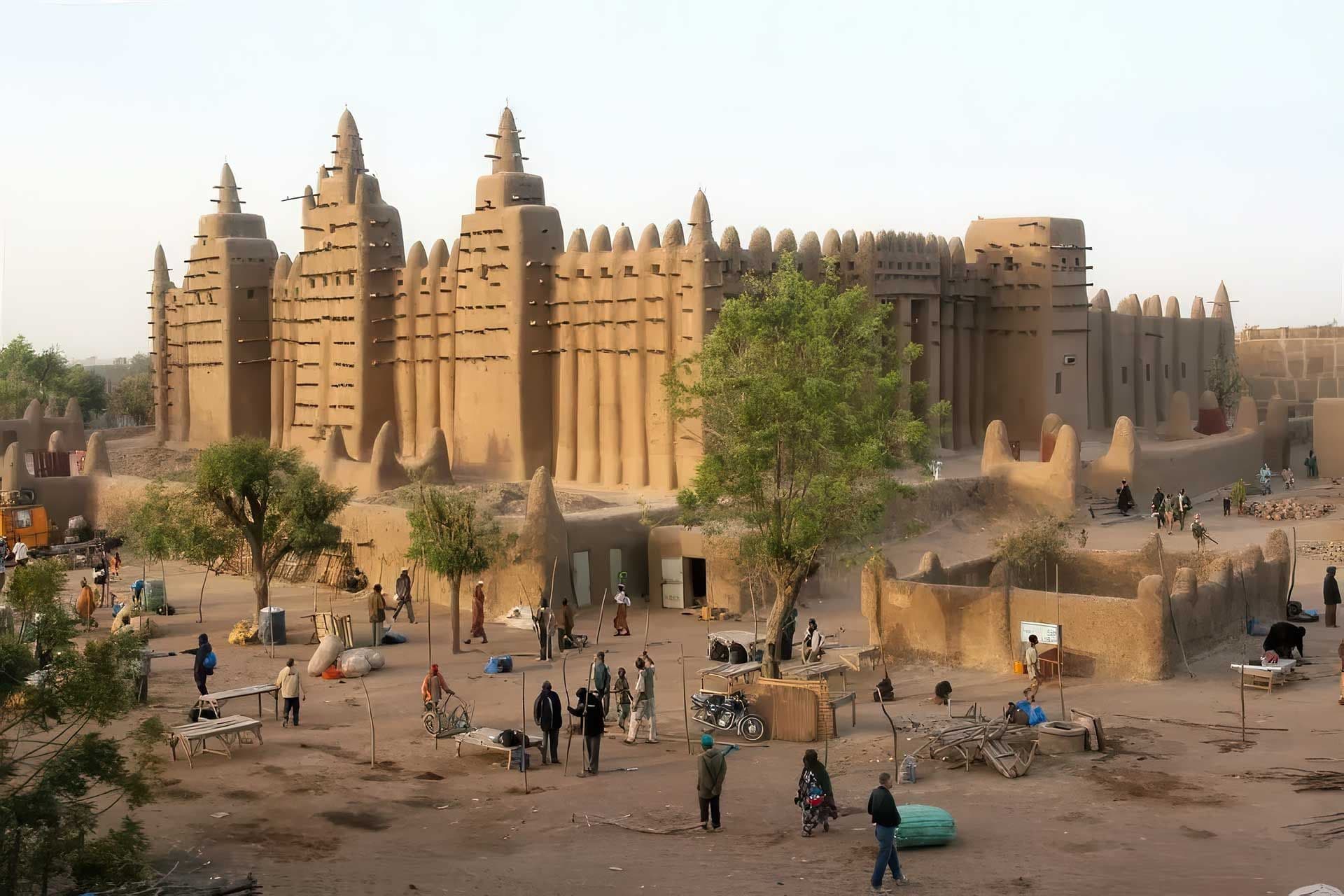
In sub-Saharan Africa, Timbuktu rose as an unlikely yet remarkable centre of learning. Located in present-day Mali, it reached its height during the 14th and 15th centuries under the Mali and Songhai empires. The city housed thousands of manuscripts across private libraries and learning centres, most notably the Sankore University. Scholars studied theology, jurisprudence, mathematics, and astronomy. They also composed original works in Arabic and local languages, reflecting a synthesis of African, Islamic, and Mediterranean knowledge systems. Despite periods of colonial suppression and the threat of destruction during recent conflicts, many of these manuscripts have survived and are now being digitised, preserving an intellectual heritage too often overlooked in mainstream history.
The influence of these centres extended far beyond their immediate regions. By fostering intellectual freedom and rigorous debate, they helped develop the principles of academic inquiry. These environments allowed scholars to question received wisdom, to test theories, and to disagree—practices that underpin the scientific method. Moreover, they helped forge the concept of learning as a collaborative, international pursuit, a principle reflected today in global academic networks and research partnerships.
Importantly, these places also served as nodes in wider networks of trade, diplomacy, and religion. As texts and scholars travelled, so too did ideas, spreading innovations in medicine, engineering, and governance. The translation of Sanskrit astronomical texts into Arabic, and later into Latin, is just one example of how knowledge moved across linguistic and cultural boundaries, enriching each society along the way.
The legacies of these centres are still visible today. Modern universities, research libraries, and interdisciplinary programmes draw from the models first established in these ancient hubs. The re-establishment of Nalanda University in India, the preservation projects in Timbuktu, and ongoing archaeological work in Alexandria and Baghdad all reflect a recognition of the past's enduring relevance.
In an era defined by fast-moving information, short attention spans, and the politicisation of education, the example set by these ancient intellectual powerhouses offers a valuable lesson. They remind us that meaningful knowledge takes time to cultivate, that collaboration enriches understanding, and that wisdom flourishes in environments where difference is welcomed rather than suppressed.
While many of these institutions have been lost to war, neglect, or natural decay, their spirit persists. Every time a student studies classical philosophy, learns algebra, or reads a manuscript preserved through centuries of conflict, they are participating in a tradition that stretches back millennia. These ancient centres of knowledge were not just of their time—they were ahead of it, and they continue to shape the world we live in.