Māori: A Culture Carved by Sea, Stone, and Spirit

Mahacaraka® Press
Long before European ships cut through the blue vastness of the South Pacific, Aotearoa, the land now known as New Zealand, was home to a complex and thriving Polynesian culture. The Māori, indigenous to this island nation, trace their lineage to a group of seafaring ancestors who arrived in large ocean-going waka (canoes) from Hawaiki, a mythical homeland rooted in oral traditions. Though the exact location of Hawaiki remains debated, many scholars associate it with islands such as Rarotonga or Tahiti. Archaeological evidence suggests the first Polynesians reached New Zealand around the late 13th century, initiating a new chapter of adaptation and transformation.
Early settlement required resilience and innovation. The lush forests, abundant rivers, and rugged coastlines shaped a way of life distinct from their tropical homelands. Over centuries, the Māori developed a rich cultural system, with tribal societies bound by whakapapa (genealogy), mana (prestige or authority), and tapu (sacred restrictions). These concepts formed the foundations of social interaction, leadership, and belief.
Māori society is traditionally organised into iwi (tribes), hapū (sub-tribes), and whānau (extended families). Each iwi traces its descent from a common ancestor, often the captain or key figure of one of the ancestral waka. Within this structure, chiefs or rangatira held power, supported by tohunga (experts or priests), warriors, and everyday community members. Decision-making was collective, but respect for seniority and lineage played a central role in governance. The marae — a sacred communal meeting ground, remains the focal point of social and spiritual life, where matters of ancestry, land, and ritual are addressed.
Spirituality permeates every layer of the culture. Traditional beliefs centre around the atua, or spiritual beings, who govern elements of the natural world. Rangi-nui (Sky Father) and Papa-tū-ā-nuku (Earth Mother) are considered primordial parents, whose separation gave rise to the world as it is known. These stories, passed down through generations, are not mere myths but explanations of origin, identity, and belonging.
Among the most enduring artistic traditions are wood carving and tā moko, the ceremonial tattooing of the face and body. Both are deeply symbolic practices that extend far beyond decoration. Māori carving, or whakairo, is a visual language, each line, pattern, and figure communicates tribal history, ancestral deeds, and cosmological ideas. Meeting houses (wharenui) are adorned with intricate carvings that honour ancestors, their faces stylised in accordance with regional styles. These figures are not generic embellishments, but named individuals whose presence is invoked during gatherings and rituals.
Materials used in carving range from native woods such as tōtara and kauri to bone and greenstone (pounamu), each considered taonga (treasure) and treated with great respect. Carving was traditionally the domain of tohunga whakairo, master carvers who spent years in training and carried out their craft in accordance with strict spiritual protocols. Even today, carving schools throughout Aotearoa continue to teach these ancestral skills, blending traditional motifs with contemporary relevance.
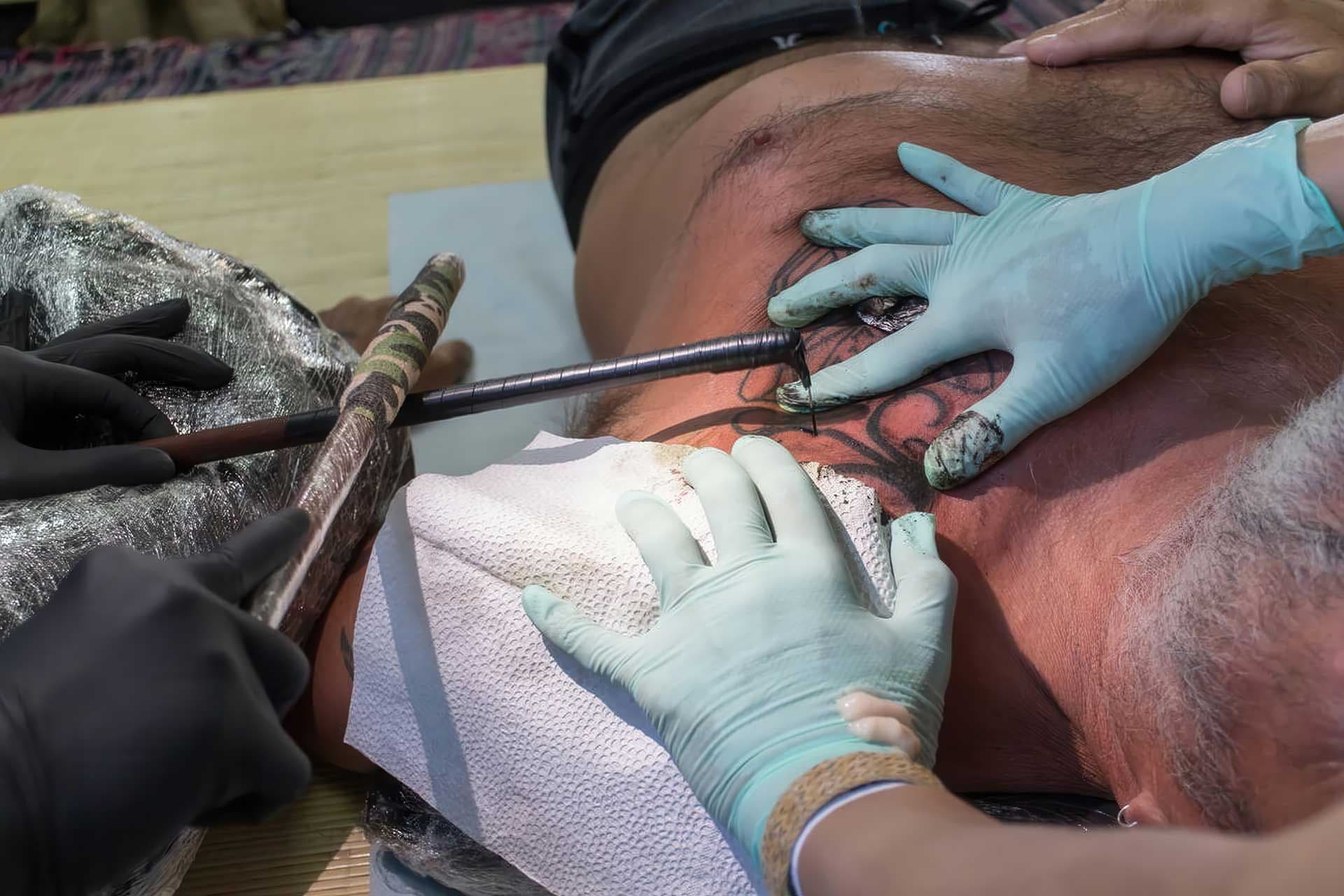
Tā moko, often mistaken for tattooing in a Western sense, is a sacred practice that inscribes identity onto the skin. For men, moko was typically applied to the face, buttocks, and thighs, while for women it was often seen on the chin (kauae) and lips. Each pattern is unique and tells a story of genealogy, social status, personal achievements, and tribal affiliations. Unlike modern tattoos applied with needles, traditional tā moko used chisels (uhi) to carve the skin, resulting in textured grooves. The process was painful and lengthy, often performed during rites of passage or significant life events.
The revival of tā moko in recent decades has been a powerful form of cultural resurgence. During colonial times, many Māori were discouraged or outright banned from practising their traditions. Christian missionaries and assimilation policies targeted visible markers of identity, leading to a decline in both moko and whakairo. However, from the late 20th century onwards, renewed efforts from Māori leaders, artists, and scholars have brought these art forms back into public life, not as relics, but as expressions of living culture.
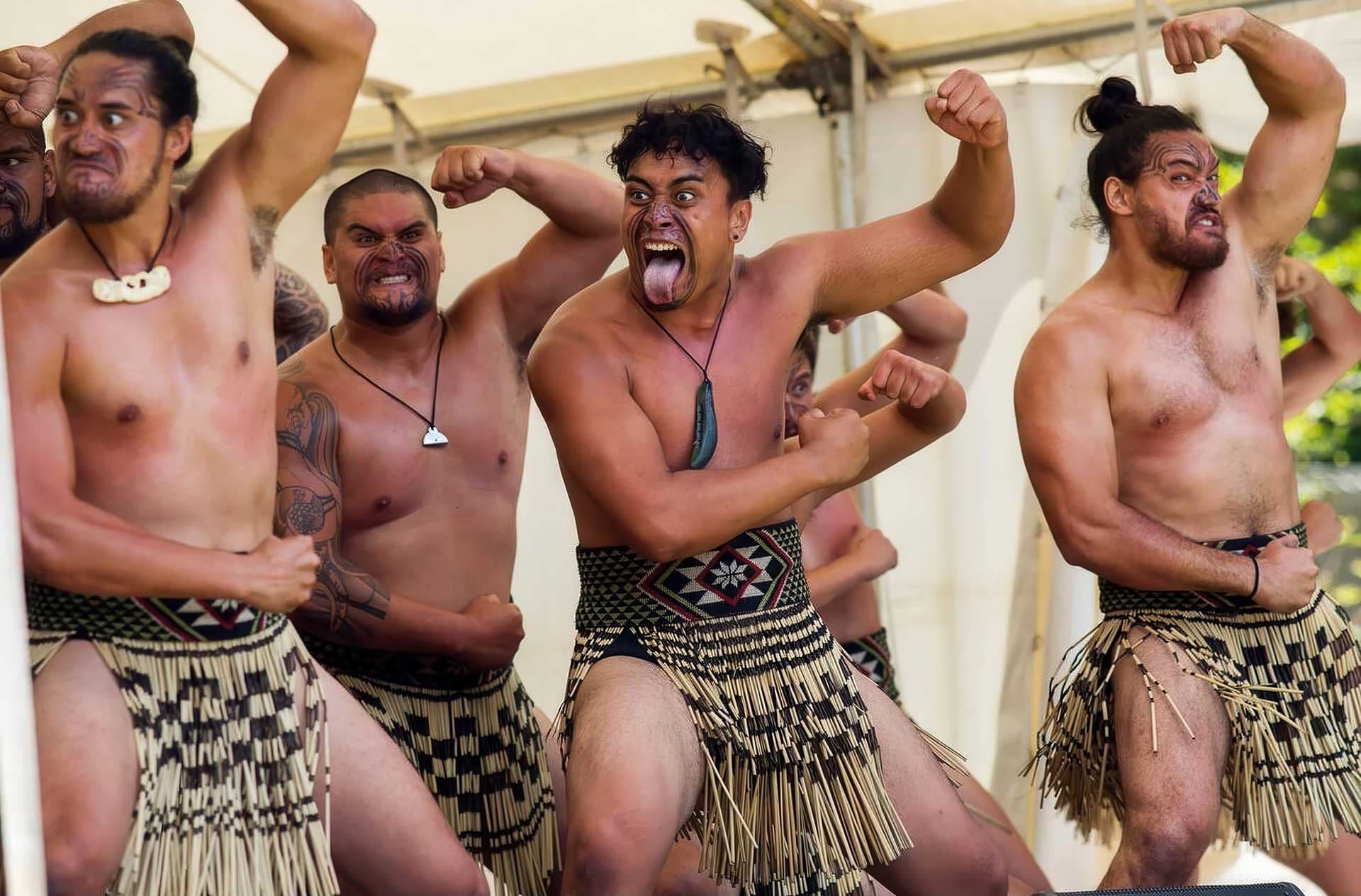
Beyond the visible forms of carving and moko, the Māori also developed oral and performative arts to preserve their knowledge and entertain. Waiata (songs), haka (ceremonial dance), and whaikōrero (oratory) are integral to public gatherings. The haka, most famously performed by New Zealand’s All Blacks rugby team, originated as a war dance but also serves as a declaration of unity, defiance, or welcome. Each performance is rooted in intent, and to the Māori, gesture and voice are as binding as any carved line.
Land remains a central theme in Māori life. The connection to whenua (land) is not just physical but spiritual. Land is considered a living ancestor, bound by whakapapa and deserving of guardianship rather than ownership. This principle underpins many of the land rights movements that have shaped modern New Zealand politics. The 1840 signing of the Treaty of Waitangi between Māori chiefs and representatives of the British Crown marked a turning point, though its interpretation and implementation have long been contested. Today, the Waitangi Tribunal provides a platform to address historical grievances and restore dignity through settlement and recognition.
In the modern era, Māori culture continues to evolve while fiercely maintaining its roots. Urbanisation, intermarriage, and globalisation have introduced new dynamics, yet the strength of language revitalisation programmes, educational reforms, and cultural initiatives reflect a society determined to thrive on its own terms. Te reo Māori, once at risk of extinction, is now taught in schools and heard in Parliament and media. Art forms once marginalised are now celebrated on international stages.
To understand the Māori is to engage with a people whose identity is sculpted not only in wood and ink but in memory, language, and ancestral continuity. Their cultural expressions are not frozen in time but grow in response to the world around them, flexible, layered, and deeply personal. In every carved doorway, every line etched into skin, and every chant echoing through a marae, the spirit of Aotearoa’s first people continues to speak.