Rastafari: One Love, One Faith, One Fire

Mahacaraka® Press
In Jamaica's hills and packed streets, a movement that began as a whisper among the oppressed has blossomed into a global cultural phenomenon. Rastafari encompasses more than dreadlocks and reggae music. It is a way of life founded on resistance, spirituality, and a strong desire for identity, justice, and a connection to Africa. Though sometimes misunderstood and oversimplified, its roots can be traced back to a colonial heritage of trauma and the spiritual awakening of a people seeking emancipation.
The seeds of Rastafari were planted in the early twentieth century, a time marked by British colonial control and the terrible legacy of slavery in the Caribbean. The scars of plantation life remained acute in Jamaica, where descendants of enslaved Africans faced economic struggle, systemic prejudice, and cultural relocation. Amidst the chaos, a voice of waking began to emerge. Marcus Garvey, a Pan-Africanist and political leader born in Jamaica, rose to prominence. His teachings, particularly his 1920s prophecy calling Black people to "look to Africa, where a Black king shall be crowned," sparked spiritual and political fervour in Jamaica's poorest areas.
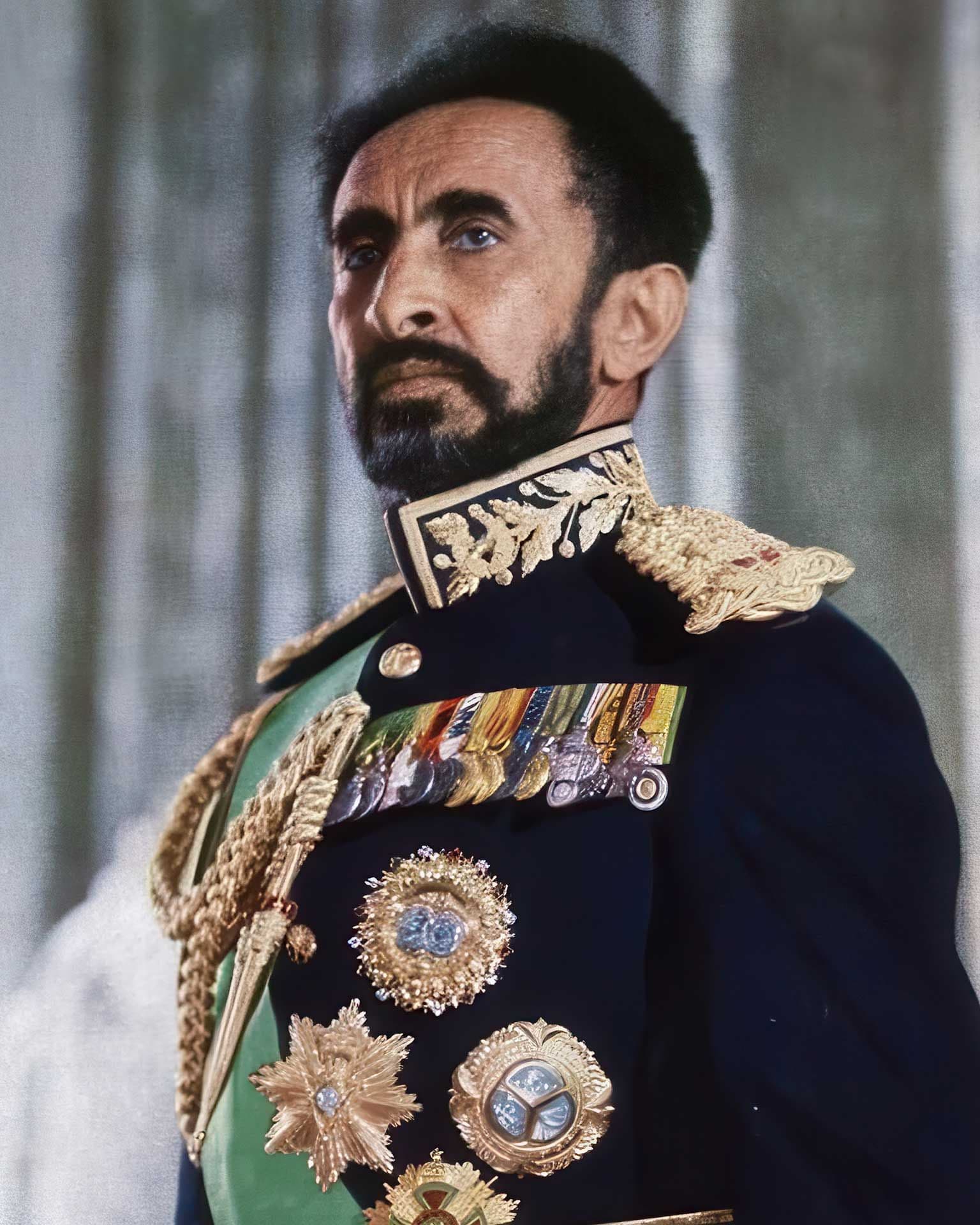
That fire would take shape in 1930, when Ras Tafari Makonnen was anointed Emperor Haile Selassie I of Ethiopia. Many Jamaicans saw this event as more than symbolic. It was hailed as the realisation of Garvey's vision, and Selassie (the only African leader crowned during the colonial era) was regarded not only as a monarch but also as a celestial figure. Rastafari arose from this devotion, a spiritual movement that rejects Western society's values, or "Babylon", in favour of a return to African roots, simplicity, and divine order.
The early members of the faith developed a distinct worldview influenced by Biblical interpretations, African customs, and their own lived experiences. Ital living, which involves a diet free of processed foods, meat, and additives, has become important to the idea of health and spiritual purity. Language also changed, with phrases like "I and I" representing the oneness of the human and the divine. Dreadlocks, worn not for fashion but as a pledge to God and a rejection of Babylon's grooming standards, were a potent visual sign of resistance and identity.
Music quickly became the movement's most prominent voice. Reggae, with its hypnotic beat and spiritual undertones, helped spread Rastafari's message beyond boundaries. The genre's global popularity in the 1960s and 1970s paralleled the development of the faith. While ska and rocksteady had laid the groundwork, it was roots reggae, heavy, conscientious, and highly poetic, that gave Rastafari a sonic home. Lyrics advocated repatriation, justice, and Jah (God), often using metaphor and prophecy.
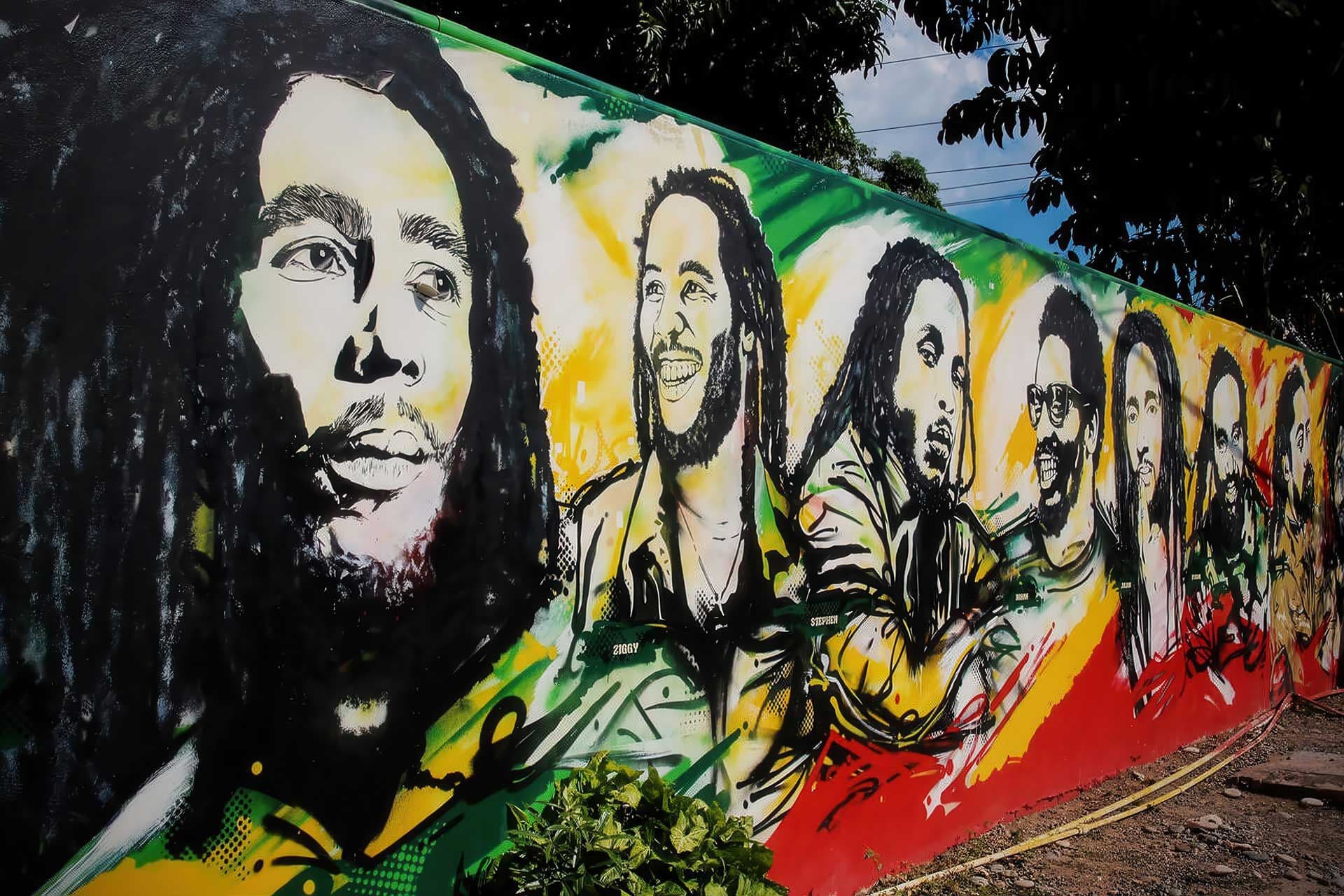
Few people embody the convergence of culture, music, and spirituality like Bob Marley. Marley, who was born in rural Nine Mile and raised amid the turbulence of Trench Town, became the global ambassador for Rastafarianism. His conversion in the late 1960s coincided with his rise to musical stardom. Through tracks like Redemption Song, Exodus, and One Love, he brought Rastafari's essential messages (unity, resistance, and divine love) to international audiences. For many, Marley was their first glimpse into a universe that combined the sacred and revolutionary.
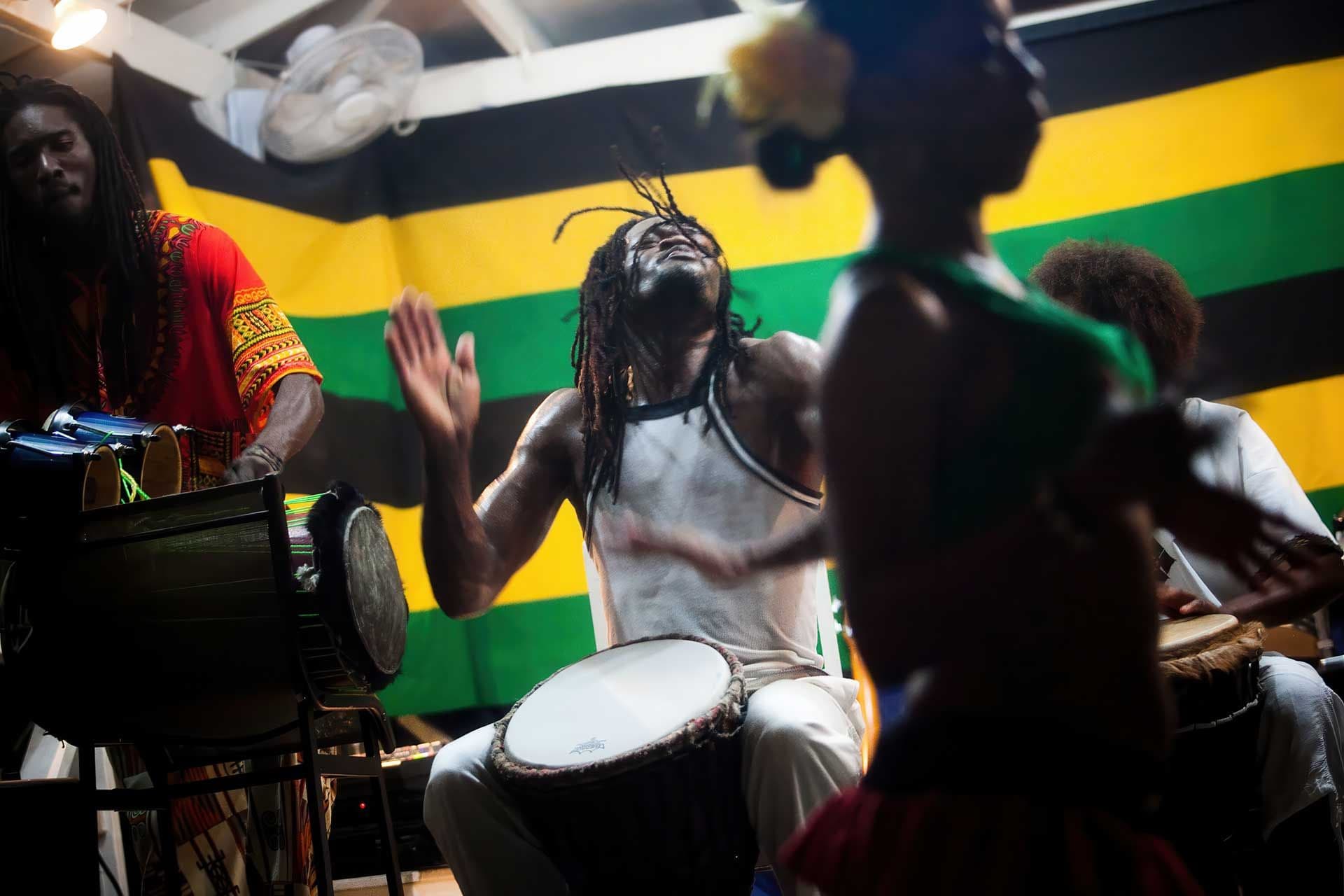
Beyond Marley, the movement's heartbeat has always been grounded in daily living. Drumming and chanting are considered acts of worship at Nyabinghi meetings. In reasoning sessions, practitioners engage in in-depth discussions on life, spirit, and truth. The lifestyle, which is generally communal, vegetarian, and filled with nature, continues to be a silent protest against materialism and consumption.
Although Rastafari originated in Jamaica, it has spread throughout the Caribbean, Africa, the Americas, and Europe. It has evolved, adapted, and, in some cases, been co-opted. However, at its root is a desire for Zion, it is not simply a geographical return to Africa, but a philosophical yearning for spiritual completeness and ancestral affiliation.
Critics have described it as cultish or naive. Others have attempted to commercialise its imagery, transforming centuries of pain and pride into commodified clichés. Nonetheless, the movement remains. Its spiritual backbone, forged by years of struggle and illuminated by the light of African sovereignty, continues to inspire people on the fringes.
Walking among the Rastafari is encountering a living archive of African diasporic memory, sculpted by oppression and carried forward by drums, chants, and unflinching faith. Every chant of "Jah Rastafari" contains a world of resistance, vision, and unwavering hope, a movement that is not stuck in time, but is always evolving, resisting, and calling for redemption.