Walking the Arc of Justice with Martin Luther King Jr.

Mahacaraka® Press
Imagine standing shoulder to shoulder with hundreds of others, the air heavy with hope and commitment, as one man's voice rises above the murmuring and echoes through history: "I have a dream." It was more than just a speech; it was a thunderclap that jolted the nation. That voice belonged to Martin Luther King Jr., a towering figure in history and a symbol of bravery and determination in the face of severe structural injustice. More than six decades later, his work continues to have an impact around the world, demonstrating the transforming power of nonviolence, resilience, and an unwavering belief in the dignity of all people.
Martin Luther King Jr. was born on 15th January 1929, in Atlanta, Georgia, into a world marked by racial divisions. Segregation was more than just a societal norm; it was legally binding. Nonetheless, from a young age, King displayed an outstanding intelligence and an unshakeable sense of justice, influenced by his family's deep Christian religion and the injustices he experienced personally. He went on to study theology, getting a PhD in systematic theology from Boston University, where he came across ideas that would shape his life's work, such as Mahatma Gandhi's philosophy and the force of nonviolent resistance.
King's leadership was brought into sharp relief in 1955 during the Montgomery Bus Boycott, which propelled him to the forefront of the American Civil Rights Movement. The 13-month protest began with Rosa Parks' arrest for refusing to give up her seat to a white passenger, and it illustrated the power of organised, peaceful opposition. It culminated in the Supreme Court's decision to declare bus segregation illegal, marking a significant triumph over white supremacy. But this was just the beginning. Over the next decade, King became a driving force in the movement for racial equality, organising marches, arranging boycotts, and delivering speeches that captivated millions of people.
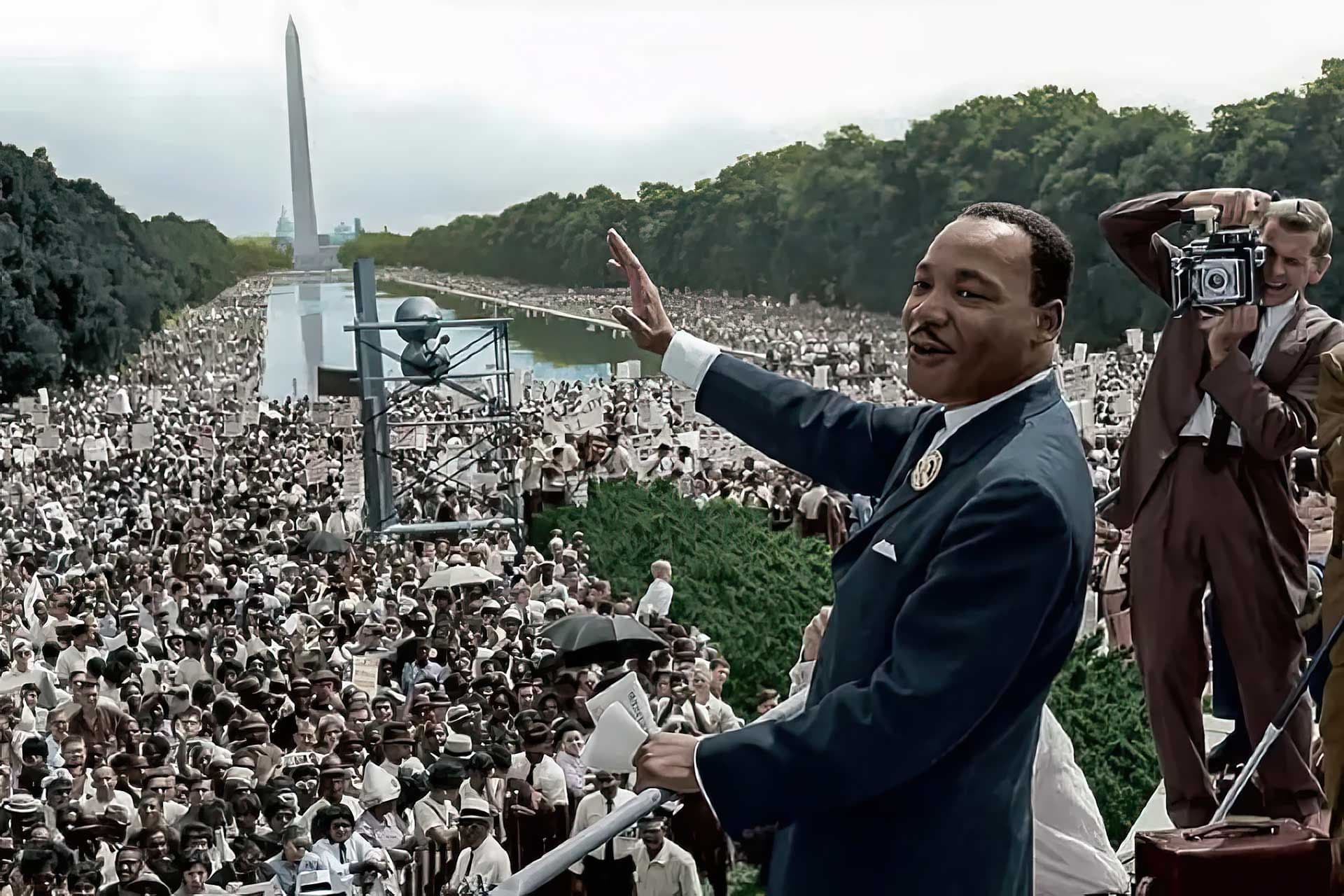
One of King's most iconic events occurred on 28th August 1963, at the March on Washington for Jobs and Freedom. On the steps of the Lincoln Memorial, in front of 250,000 people, King delivered one of the greatest addresses in American history. The "I Have a Dream" speech was more than just a cry for racial fairness; it was a vision of a happy future in which people would be judged based on their character rather than their skin colour. This moment was historic, forcing the country to confront its racial disparities. It also had a direct impact on the passing of landmark legislation, including the Civil Rights Act of 1964 and the Voting Rights Act of 1965.
King's dedication, however, came at a high cost. Throughout his life, he has experienced threats, imprisonment, and constant monitoring. In the profoundly divided world he aimed to improve, his message of justice was received with violent opposition. Tragically, his life was cut short on 4th April 1968, when he was murdered while standing on the balcony of the Lorraine Motel in Memphis, Tennessee. The news of his death sent shockwaves around the world, sparking riots in American cities. However, it also cemented his status as a martyr for justice, ensuring that his impact would last far past his 39 years.
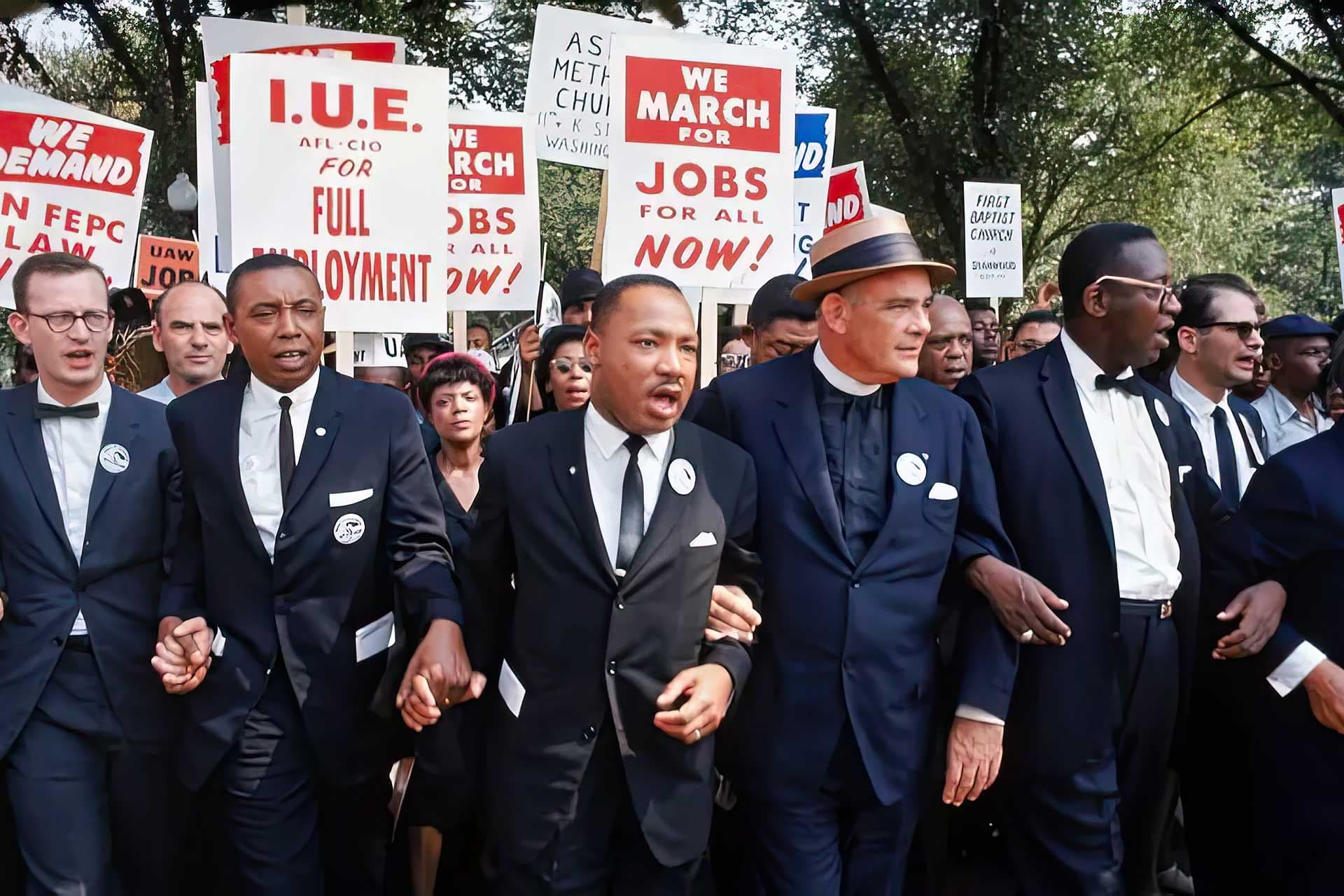
Martin Luther King Jr.'s legacy is still felt in the global fight for civil rights. His emphasis on nonviolence has inspired a variety of movements, including the anti-apartheid campaign in South Africa and the battle for democracy in other countries. His birthday, now a federal holiday in the United States, is a day for reflection and action, a reminder of the job that remains unfinished. Streets, schools, and monuments bear his name, but none really captures the scope of his efforts.
King used to say: "The arc of the moral universe is long, but it bends towards justice." His life and work have demonstrated that bending the arc demands perseverance, courage, and an unwavering faith in humanity's potential. To study King is to examine the heart of a movement that altered a nation and echoed around the world. His dream, which is still alive, urges each generation to take up the torch he carried and continue the trek towards a world in which equality and justice are not just ideals, but universal realities.