Born of Fields, Forged in March, Crowned in Power

Mahacaraka® Press
Born on 26 December 1893 in the village of Shaoshan, Hunan Province, he emerged from a modest rural background into a figure whose influence would define twentieth-century China. Mao Zedong, known in the West as Mao Tse-Tung, was the son of a relatively prosperous peasant farmer and grain dealer, yet his upbringing remained deeply rooted in the agrarian rhythms of Hunan. Education was a privilege rather than a right, and the sweeping reforms in China’s schools during his youth gave him an early understanding of how fragile and transitional the nation’s identity was at the dawn of modernity.
As a young man he trained as a teacher and later took clerical work, but his worldview changed profoundly amid the ferment of the May Fourth Movement in 1919. Exposure to ideas of reform, anti-imperialism and social change drew him toward the currents of socialism that were beginning to flow through Chinese intellectual circles. At Peking University, while working as a librarian’s assistant, he encountered the writings of Marx and Lenin and came under the influence of radical thinkers such as Li Dazhao. In 1921 he attended the First National Congress of the Chinese Communist Party (CCP) in Shanghai, an event that planted the seeds of a political career destined to alter the course of Chinese history.
Through the 1920s and 1930s he advanced within the CCP, distinguished by his belief that China’s revolution would not be driven by the urban proletariat, as Marx had envisioned, but by the vast and impoverished peasantry. This conviction shaped both his ideology and his strategy, setting him apart from many of his contemporaries. His leadership during the Long March of 1934–35—a gruelling retreat across thousands of kilometres to escape encirclement by Kuomintang (KMT) forces—cemented his authority within the Party. It also allowed him to refine his theories on guerrilla warfare, political mobilisation and the moral strength of endurance, ideas that would later define his approach to both revolution and governance.
In the aftermath of the long civil war between the CCP and the KMT, victory came in 1949. On 1 October of that year, from the Gate of Heavenly Peace in Beijing, Mao declared the founding of the People’s Republic of China. The moment marked the end of decades of division, foreign incursion and internal strife. As the new state took shape, his administration embarked on sweeping reforms to consolidate power and to reshape the economy and society. Land reform became the first great campaign, redistributing property from landlords to peasants and dismantling the old feudal order.
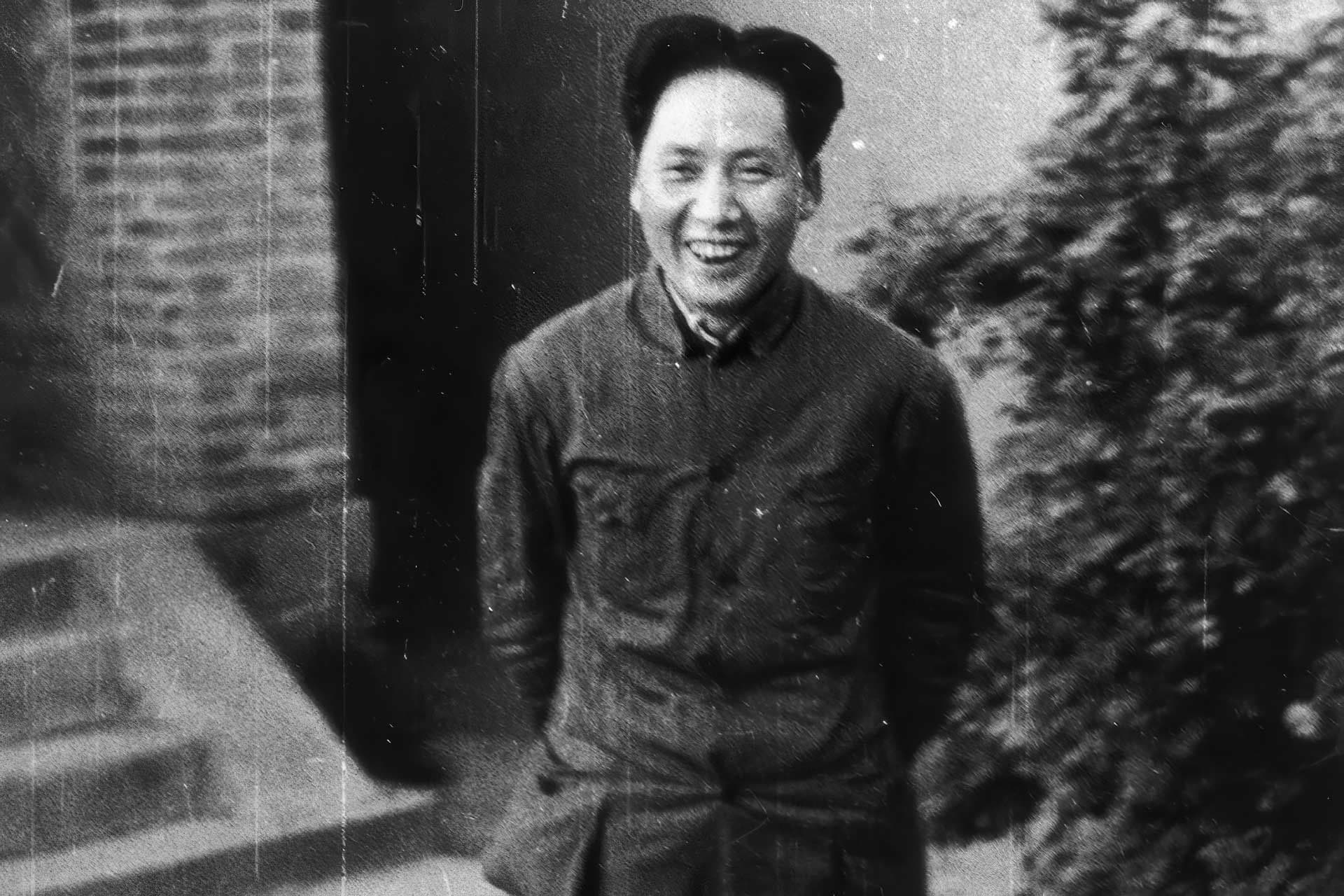
Following the Soviet example, Mao initiated the First Five-Year Plan in 1953, focusing on heavy industry and central economic control. Early successes in infrastructure and production strengthened his belief in mass mobilisation as a political tool. In 1958, he announced the Great Leap Forward, a radical drive to transform China into an industrial power through collectivisation and small-scale steel production. The campaign, however, proved disastrous. Poor planning, unrealistic quotas and the diversion of labour from agriculture led to widespread famine and the deaths of millions.
By the mid-1960s, criticism within the Party and society had begun to grow. Determined to reassert his ideological vision, Mao launched the Cultural Revolution in 1966. It was a campaign of radical purification intended to preserve revolutionary zeal and eliminate “bourgeois” elements. Millions of students, organised as Red Guards, were encouraged to challenge authority and attack perceived enemies of the revolution. For a decade, China was engulfed in turmoil as schools closed, families were torn apart, intellectuals persecuted and cultural artefacts destroyed. While the movement consolidated his personal power for a time, it left deep scars on the nation’s psyche.
His death on 9 September 1976 brought an end to one of the most transformative and tumultuous eras in modern history. Yet his influence continued to shape China’s political culture long after. The Communist Party he forged remained the central force of the Chinese state, though later leaders would steer it toward pragmatic reform rather than ideological purity. In 1981, the Party issued its official evaluation: Mao’s contributions were described as “70 per cent correct and 30 per cent mistaken”. The formulation acknowledged both his role as the architect of national unity and the immense human cost of his campaigns.
His legacy defies simple categorisation. He transformed China from a fragmented, semi-colonial society into a unified and sovereign state, asserting control over its vast territories and ending a century of humiliation at foreign hands. Under his rule literacy improved, women gained new rights, and industrial and agricultural production expanded on an unprecedented scale. Yet the same rule brought famine, persecution and fear, outcomes that continue to provoke debate among historians and citizens alike.
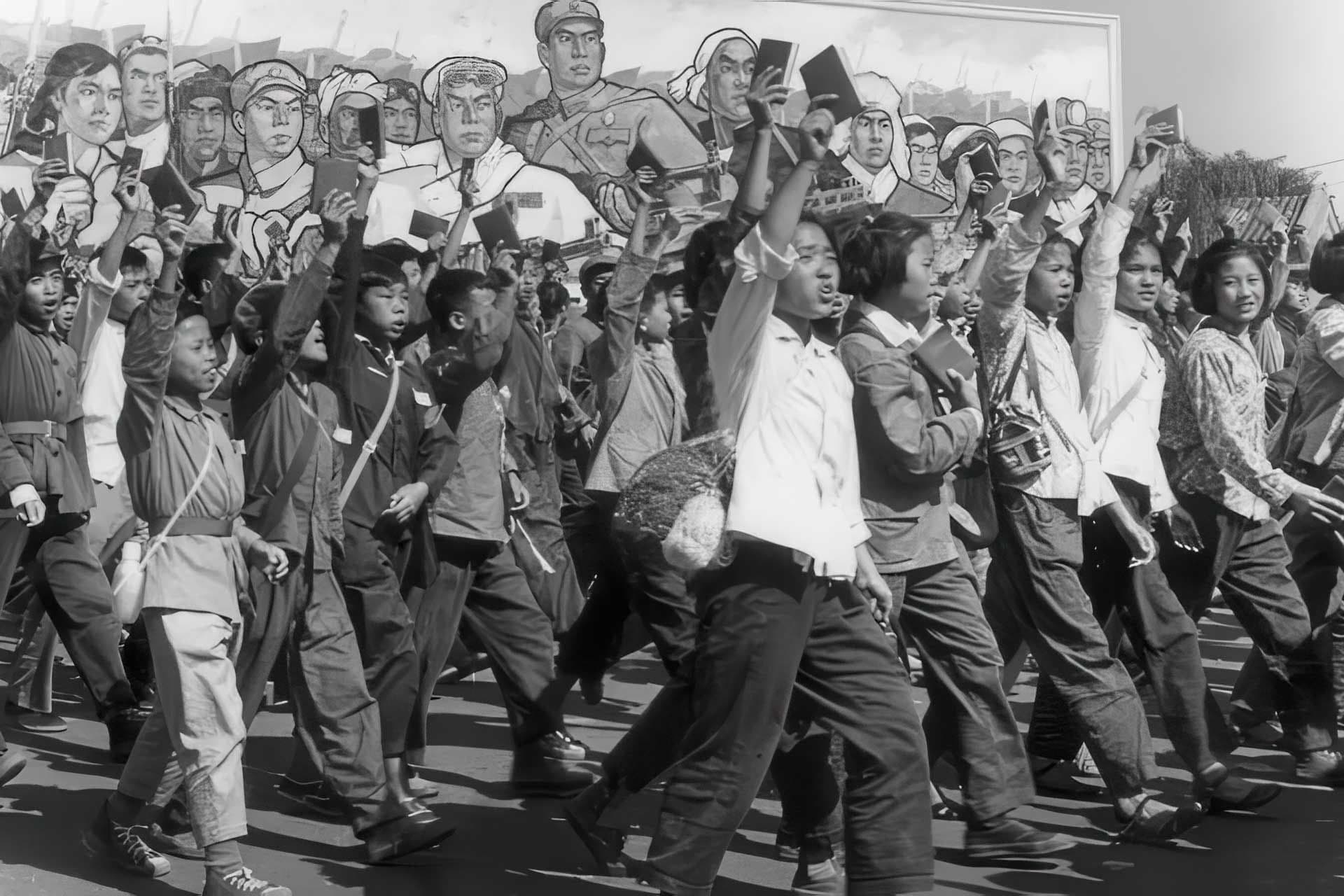
Beyond China, Mao’s ideas influenced revolutionary movements across Asia, Africa and Latin America. “Maoism” became shorthand for a doctrine of protracted people’s war, self-reliance and anti-imperialist struggle. His portrait still hangs above Tiananmen Square, symbolising both reverence and unease—a reminder of a man whose vision for equality and justice often collided with the realities of power.
Understanding Mao requires holding contradictions in balance: the idealist who sought liberation and the autocrat who silenced dissent; the thinker who adapted Marxism to rural China and the leader who inflicted immense suffering in pursuit of utopia. His life offers a mirror to the paradoxes of revolution itself—how noble aims can curdle into fanaticism, and how transformative ambition can both build and destroy.
For those seeking to understand modern China, his shadow looms large. The institutions, political culture and even the slogans of the present era trace their lineage to the structures and language he created. He remains at once a national founder, a revolutionary prophet and a cautionary symbol of power unrestrained.
In the end, Mao Tse-Tung stands as one of history’s most consequential figures, a leader whose complex legacy continues to provoke admiration, condemnation and reflection. His journey from the rice fields of Hunan to the heights of political authority reshaped not only China but also the wider world’s understanding of revolution, ideology and the human cost of remaking society.