Overcoming the Silence Between the Camera and the Crowd

Mahacaraka® Press
It’s a familiar scenario for many aspiring travel and documentary photographers. You’re standing on a street corner, camera in hand, drawn to the character of an elderly vendor or the dynamic shadows cast by a passing cyclist — yet you hesitate. The fear creeps in: What if they stare? What if someone confronts me? Am I intruding? This moment of self-doubt, common to both beginners and seasoned travellers with a lens, can be paralysing.
The anxiety surrounding photography in public spaces is more widespread than many admit. It’s not just about shyness, but also a mix of personal insecurity, social etiquette, and ethical responsibility. In a world increasingly aware of privacy and consent, the act of pointing a camera at someone — especially without asking — can feel intrusive or even aggressive. However, learning to overcome this hesitation is essential for those seeking to document the world honestly and with empathy.
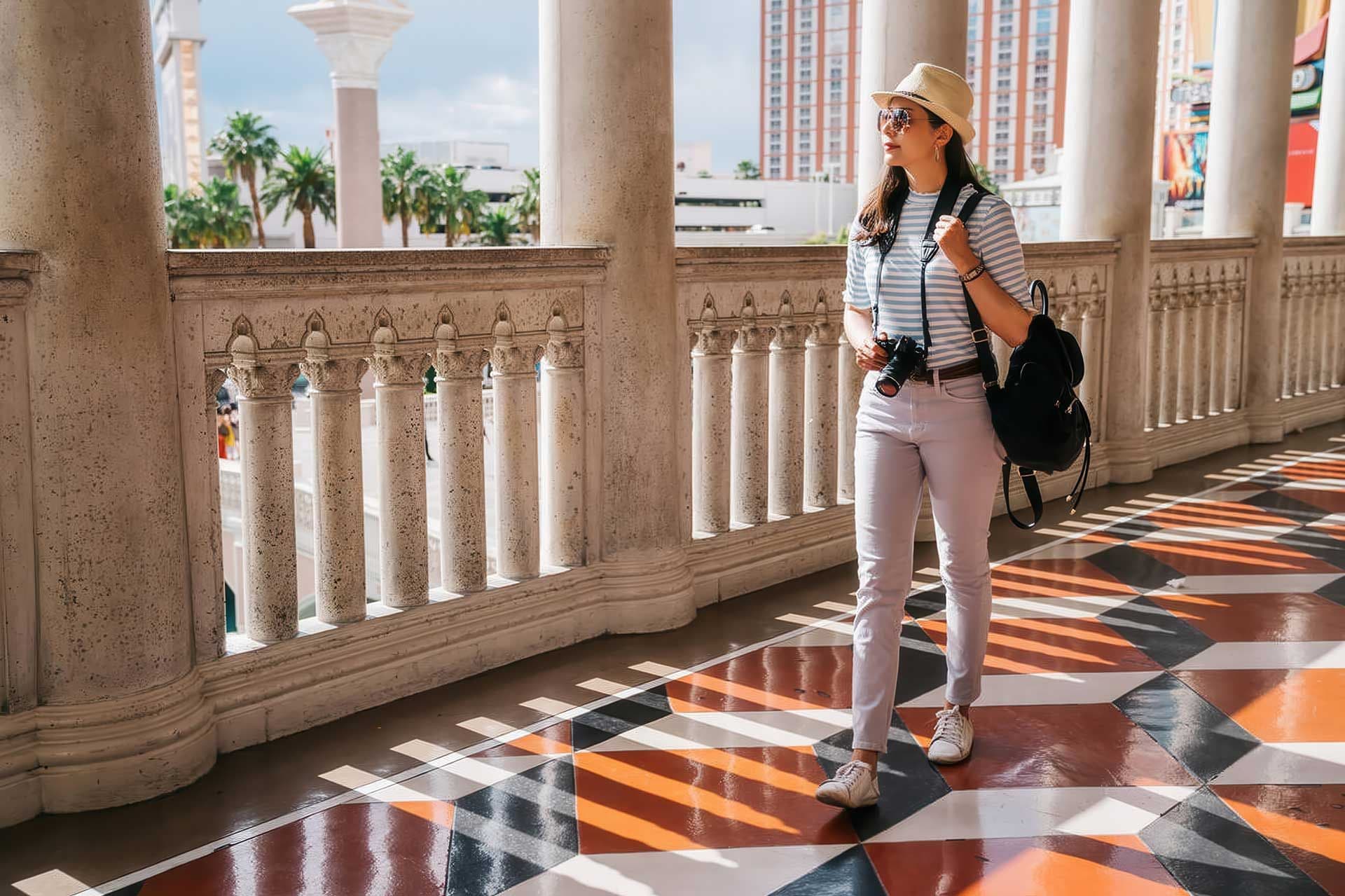
Understand What Holds You Back
At the root of the fear is often the anticipation of confrontation. Many worry about upsetting others or drawing negative attention. This fear, according to psychologist Dr. Linda Blair, is linked to a deep-seated desire for social approval. We fear being seen as rude or invasive. But most of these anxieties are imagined. A 2019 study by the University of Westminster found that over 60% of people who regularly photograph in public had never experienced significant backlash.
Another aspect is self-consciousness. Holding a camera can make you feel exposed, especially in unfamiliar cities or when travelling solo. You're no longer an observer — you're part of the scene. The first step to overcoming this is acknowledging that your nervousness is not a flaw, but a natural reaction to being in an environment where you feel watched.
Equip Yourself with Knowledge
Knowing your rights as a photographer helps instil confidence. In the UK, for example, it's legal to photograph people in public spaces without needing their permission, as long as you’re not using the images for commercial purposes or harassing anyone. Similar laws exist in many countries, but cultural sensitivity remains key.
In nations like Japan or the UAE, public photography is more restricted, and some cultures may find it inappropriate or even offensive. Researching local laws and social norms before shooting abroad is as essential as packing the right lens. Travellers with a camera should balance legal permissions with moral compass — just because you can take a photo doesn’t mean you should.
Shift the Focus From Taking to Connecting
Capturing life as it unfolds doesn’t have to mean being invisible or sneaky. Many respected photographers advocate for a more transparent and engaged approach. British documentary photographer Dougie Wallace, known for his raw and candid work, often strikes up conversations with his subjects. This interaction not only eases tension but often results in more meaningful images.
If speaking to strangers is intimidating, start with small gestures. A smile, a nod, or showing genuine interest in someone’s activity often paves the way for silent permission. Carry a selection of printed photos from your portfolio to show what you're capturing. It helps bridge language gaps and shows that you value the person, not just the image.
Start Small and Build Up
Facing your fear doesn't mean diving into the busiest market square on your first attempt. Begin in familiar settings. Parks, street cafés, or local festivals often have a natural sense of openness, where photography is common. Public events make it easier to blend in with others holding cameras or smartphones.
Set small, achievable goals. For instance, challenge yourself to photograph five people or scenes in a single afternoon. Review your experience — what made you hesitate, and what helped you move past it? Over time, these exercises build confidence and muscle memory.
Blend In Without Hiding
Dressing appropriately for your environment helps you blend in and reduce attention. Avoid flashy gear or noisy camera bags. Some photographers favour mirrorless cameras or compact models when photographing in public, as they appear less intimidating. But don’t confuse discretion with deception — you’re not hiding, just integrating.
Body language matters too. Move with purpose, stay relaxed, and avoid sudden jerks with your camera. People are more likely to accept your presence if you look like you belong. Confidence, even if faked at first, often earns quiet respect.
Respect Is Your Greatest Asset
When photographing people, especially in sensitive settings, ethics matter. If someone expresses discomfort, respect it without argument. Some of the most powerful images in travel photography are those born from mutual respect — not secrecy.
In a digital age where images can circulate widely and quickly, many individuals worry about how their likeness might be used. Offering to share the photo or even send it to your subject can make the experience collaborative rather than extractive.
Additionally, avoid photographing those who cannot consent — children, the unhoused, or individuals in distress — without careful thought. The goal is not to collect images, but to tell stories rooted in dignity.
Reframe the Act of Photography
Think of photographing in public as visual listening. Instead of feeling like you're taking something, consider what you're witnessing and learning. Photography becomes less about intrusion and more about observation, curiosity, and celebration of everyday moments.
Author and photographer Teju Cole once said, “A photo is a secret about a secret. The more it tells you, the less you know.” This humility — the understanding that your lens captures fragments, not full stories — helps temper the urge to control a scene and invites a more sensitive gaze.
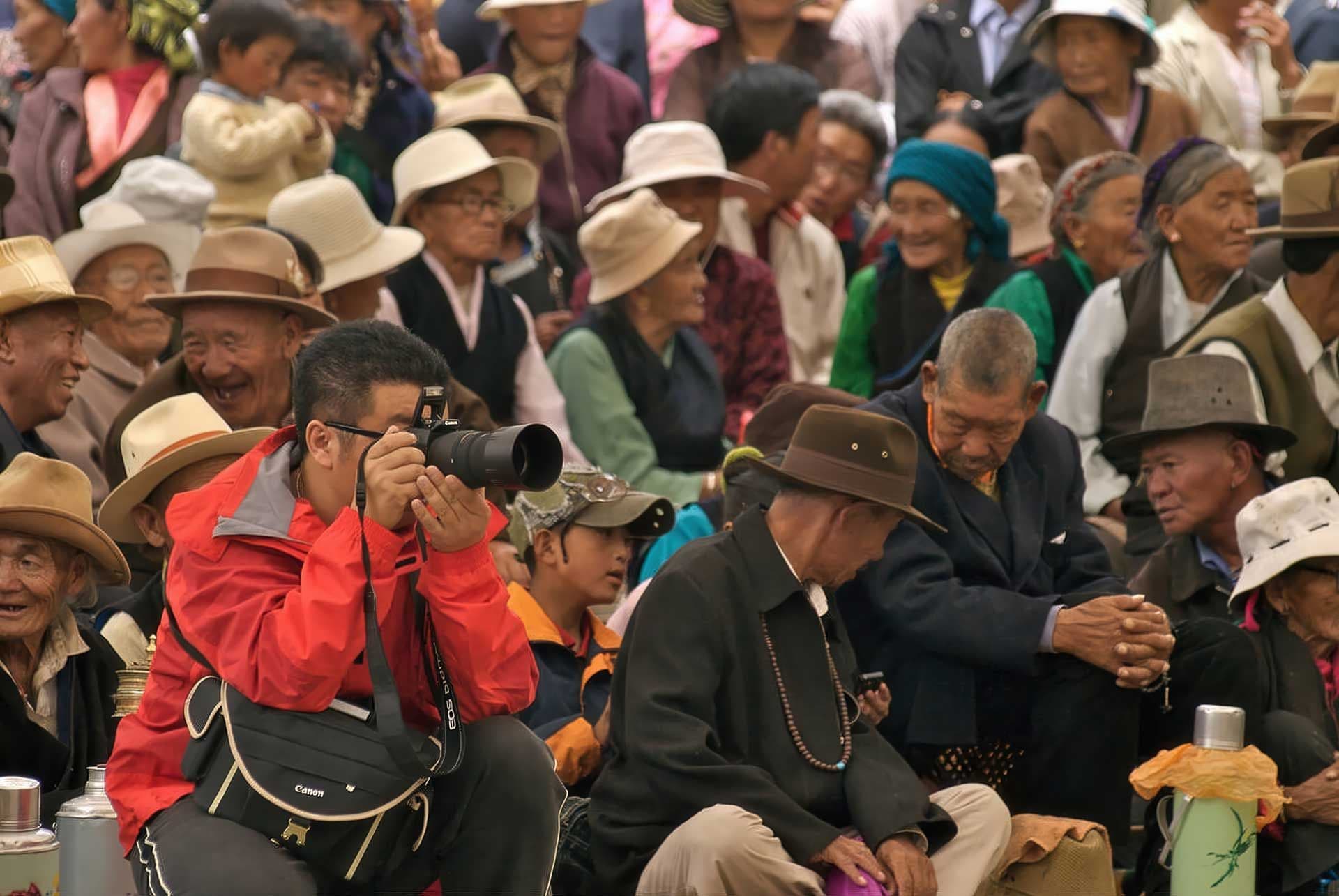
Final Thoughts
Overcoming the fear of photographing in public is not about erasing nervousness, but working with it. Like travel itself, it’s a gradual process of expanding comfort zones and building confidence through presence, awareness, and respect.
With every shutter click comes a decision: not just about light and composition, but about human connection and ethical responsibility. The markets, alleys, transport hubs, and open plazas of the world are rich with stories waiting to be told. To tell them well, the photographer must first overcome the quiet resistance within.
Let your camera be not a barrier, but a bridge. And when the fear rises — as it will — remember that it often points not to danger, but to growth.