The Caribbean’s Past and Present in Every Island

Mahacaraka® Press
Located between the southeastern tip of the Gulf of Mexico and the Atlantic Ocean, the Caribbean is more than just a postcard-perfect paradise of turquoise waters and swaying palms. It is a region shaped by centuries of conquest, migration, resistance and resilience. Often romanticised for its beaches, the Caribbean holds a much deeper historical and cultural significance — one that speaks of ancient civilisations, European empires, African survival and a continually evolving identity.
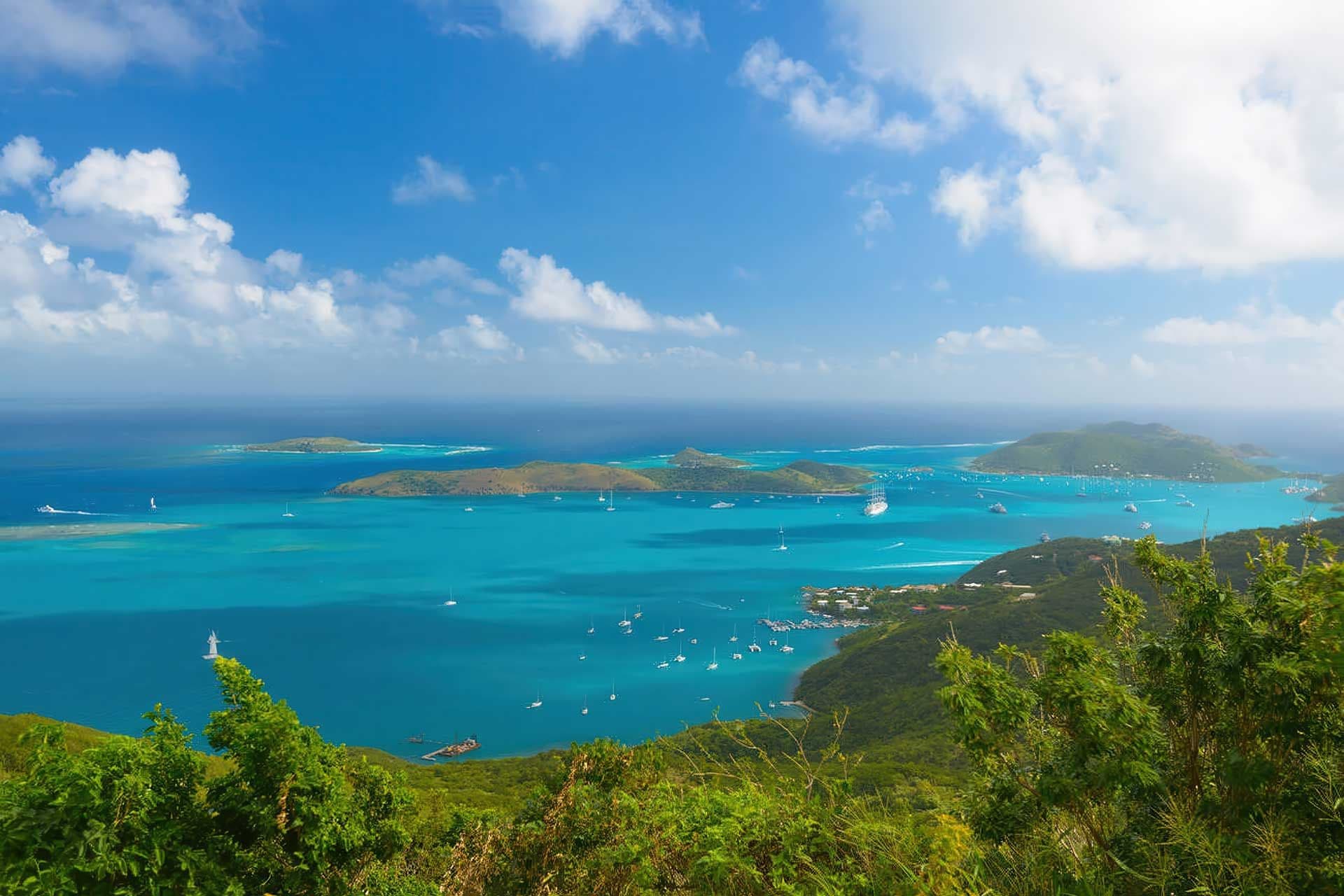
The name "Caribbean" finds its roots in the Caribs, an Indigenous people who inhabited parts of the Lesser Antilles at the time of European contact. Early Spanish explorers referred to the area as “Las Antillas” or the “Sea of the Caribs”, which eventually became known as the Caribbean Sea. These islands were home to various Indigenous groups including the Taíno and the Kalinago, both of whom faced catastrophic disruption following European arrival in the late 15th century.
It was Christopher Columbus, sailing under the Spanish crown in 1492, who first made European contact with the Caribbean islands, landing on what is now known as the Bahamas. This moment triggered over four centuries of intense colonial activity involving Spain, Britain, France, the Netherlands and later the United States. The Caribbean quickly became a battleground for control, not only over land but also over trade routes and enslaved labour. The sugar economy transformed the region, with vast plantations established across islands like Jamaica, Barbados and Saint-Domingue (now Haiti), relying heavily on the transatlantic slave trade.
Slavery left deep scars but also led to the emergence of Creole cultures — intricate blends of African, European and Indigenous elements seen in music, language, religion and cuisine. In Haiti, the 1791 slave revolt sparked a revolution that culminated in the first Black republic in 1804. Across the islands, similar movements for emancipation and independence followed, shaping the region’s political landscape well into the 20th century.
Today, the Caribbean is made up of over 7,000 islands, islets, reefs and cays, grouped broadly into the Greater Antilles, Lesser Antilles, and the Lucayan Archipelago. While not all are inhabited, many have become important cultural and tourist centres.
For travellers seeking historical depth, Cuba offers a compelling experience. Beyond its vintage cars and colonial façades, Havana’s old town tells a story of revolution and resilience. The Museum of the Revolution, housed in the former Presidential Palace, chronicles the events that brought Fidel Castro to power in 1959.
Jamaica, home to Bob Marley and the Rastafari movement, presents a powerful cultural narrative rooted in African traditions and colonial legacies. Its Blue Mountains and Nine Mile village are as captivating as the rhythms of reggae and dub that echo through Kingston’s streets.
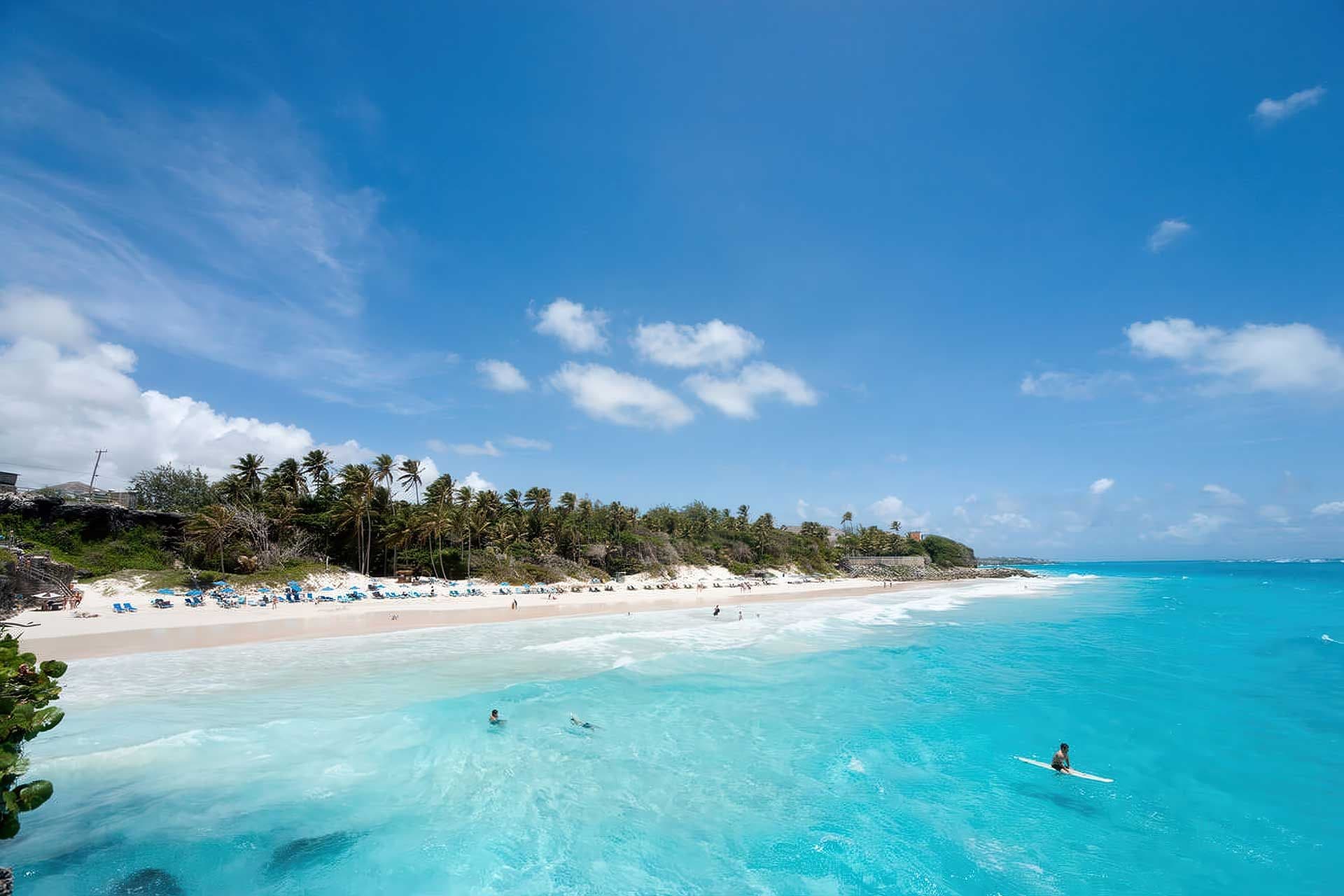
Barbados, the easternmost of the Caribbean islands, was under British control for over 300 years before gaining independence in 1966. Bridgetown, a UNESCO World Heritage site, showcases Georgian architecture and landmarks like the Parliament Buildings and Garrison Savannah, a legacy of British military presence.
In the French Caribbean, Martinique and Guadeloupe are technically overseas departments of France but culturally rich in Creole heritage. Visitors can explore the ruins of Saint-Pierre, once known as the "Paris of the Caribbean", destroyed in the 1902 eruption of Mount Pelée.
Meanwhile, the Dutch Caribbean includes Curaçao, Aruba and Bonaire, each offering a unique blend of European influence and Afro-Caribbean identity. Curaçao’s capital, Willemstad, is notable for its pastel-coloured colonial buildings and multilingual society where Dutch, Papiamentu, English and Spanish coexist.
In Saint Lucia, the twin peaks of the Pitons rise above verdant rainforest, echoing the island’s volcanic origin and contested colonial past. Though fought over by the French and British 14 times, Saint Lucia emerged with a hybrid identity that today embraces both French patois and British common law.
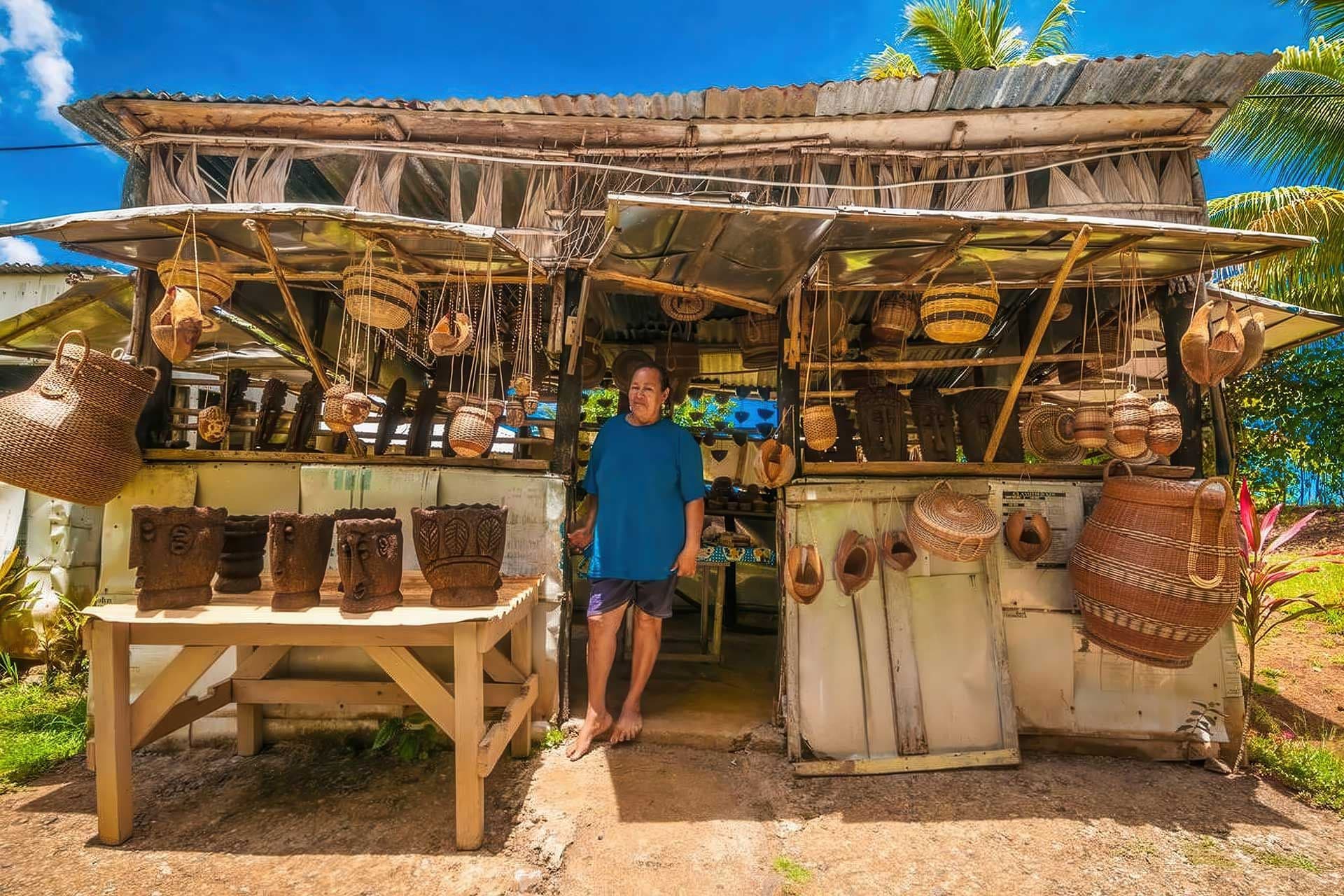
Beyond the major islands, lesser-known destinations like Dominica offer unspoiled nature and Indigenous culture. Home to the largest remaining population of Kalinago people, Dominica stands apart with its hot springs, waterfalls and commitment to eco-tourism.
While the Caribbean continues to grapple with the legacies of colonisation, economic dependency and climate vulnerability, it remains a region of astonishing cultural resilience. Its annual festivals — from Trinidad’s Carnival to Junkanoo in the Bahamas — are living archives of syncretism and survival. Music genres like calypso, soca, dancehall and zouk reflect centuries of adaptation and creativity, often born out of struggle.
Each island tells a different story. Some carry the weight of revolution, others of revival. Many are multilingual and multi-ethnic, where European cathedrals sit beside Afro-Caribbean shrines, and colonial forts overlook markets brimming with indigenous produce and Creole street food.
Travelling through the Caribbean, one encounters more than a destination — it is a historical and cultural encounter. To walk through the streets of Old San Juan, to stand at the Citadelle Laferrière in Haiti, or to witness a vodou ceremony in a rural Haitian village is to experience history not in textbooks, but alive in the present.
The Caribbean is not a monolith. It is a fluid, evolving region shaped by waves of people, ideas and resistance. Its beauty lies not only in its beaches and biodiversity but in the stories etched into its soil, sung in its music, and danced in its festivals.
For those drawn to places where history lives side by side with natural splendour, the Caribbean remains a journey worth taking — not just for the photographs, but for the perspective it offers on how identity, resistance and culture intersect on islands touched by both tragedy and triumph.