Through the Valleys of Memory Discovering the Real Haiti

Mahacaraka® Press
At first glance, Haiti may seem like a destination burdened by history, but spend time among its mountain fortresses, coastal markets and artistic enclaves, and a richer, more human narrative emerges, one that fuses memory with movement, and struggle with celebration.
The island’s story begins long before European ships appeared on its shores. The Taíno, an Arawakan-speaking Indigenous people, lived in organised societies, cultivating cassava, fishing its abundant waters, and naming their mountainous homeland Ayiti, "land of high mountains." Their culture was tragically decimated following Christopher Columbus’ arrival in 1492. That first landing at Mole Saint-Nicolas marked the beginning of European colonisation in the Americas.
As Spain shifted its focus elsewhere, French settlers moved in, particularly to the western third of the island. By 1697, this portion became officially recognised as Saint-Domingue, one of the wealthiest colonies in the world thanks to enslaved African labour on sugar, coffee and indigo plantations. This prosperity, however, was rooted in extraordinary brutality, giving rise to a resistance that would change the course of world history.
The Haitian Revolution, which erupted in 1791, culminated in the world’s first successful slave revolt. Led by figures like Toussaint Louverture and Jean-Jacques Dessalines, it established Haiti’s independence in 1804, making it the first Black republic. Today, that revolutionary spirit still lingers in its mountains, music and monuments.
Travelling through Haiti reveals these echoes of the past, not as static memorials, but as places of lived significance. The Citadelle Laferrière, a colossal stone fortress perched on a mountaintop near Cap-Haïtien, offers both a breathtaking hike and a direct link to post-independence defiance. Built to defend against a potential French return, it is the largest fortress in the Western Hemisphere. Hikers and history lovers alike will find its panoramic views and strategic complexity deeply rewarding.
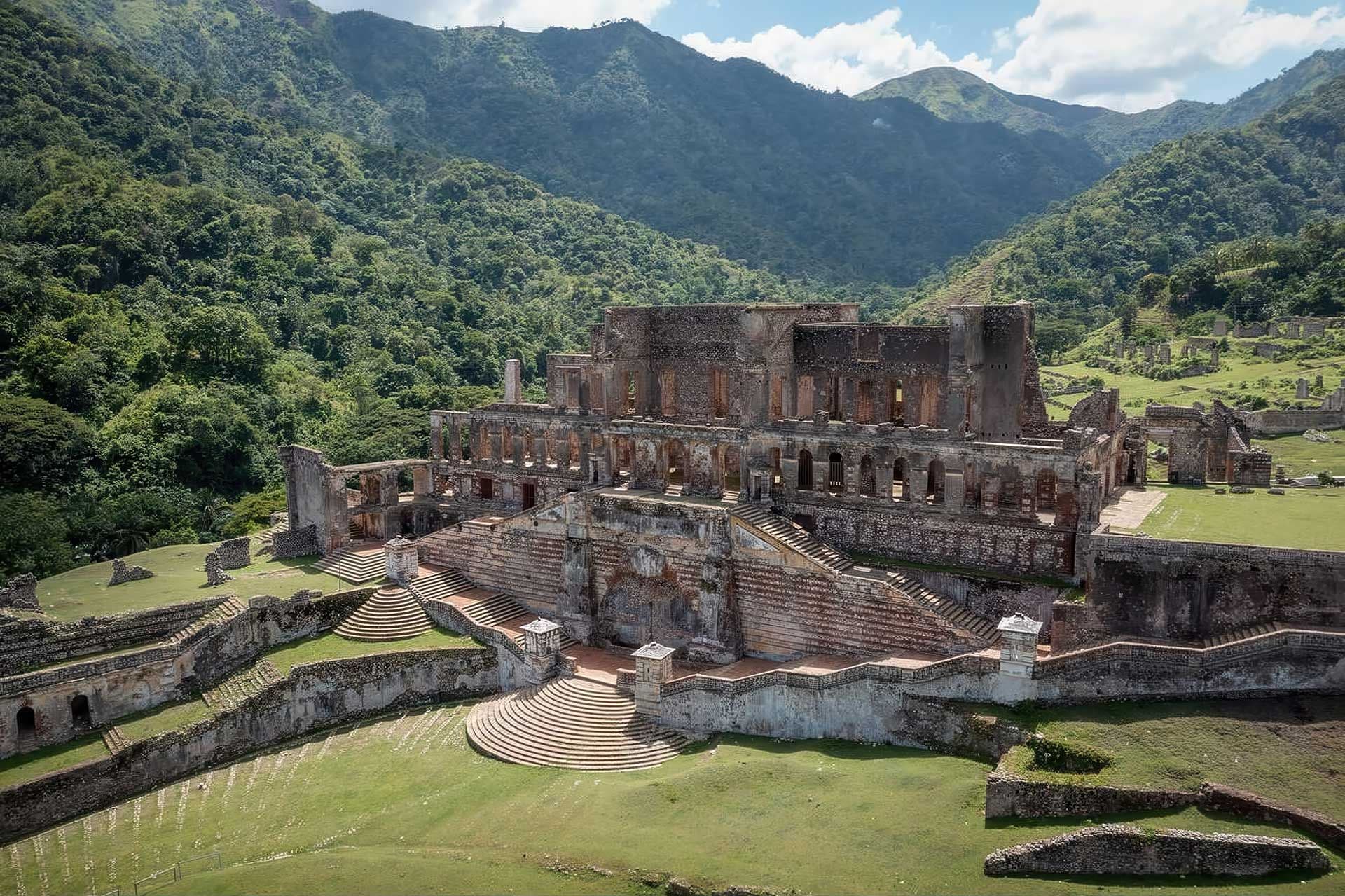
Nearby, the ruins of Sans-Souci Palace, once the royal residence of Henri Christophe, add another layer to the narrative. Set against the lush backdrop of Milot’s hills, the site bears architectural grandeur and haunting stillness. Though damaged by time and earthquakes, the palace still impresses with its European-inspired symmetry and Caribbean adaptability.
In Port-au-Prince, Haiti’s vibrant and chaotic capital, culture pulses through the streets. The Iron Market (Marché en Fer). A cast-iron structure originally bound for Cairo but diverted to Haiti in the 19th century. It is a sensory overload. Spices, handmade crafts, Vodou artefacts and textiles all compete for space and attention. Visitors can explore the nearby Musée du Panthéon National Haïtien, which traces Haiti’s fight for freedom with remarkable artefacts including Toussaint Louverture’s sabre and the anchor from Columbus’ ship, the Santa Maria.
While Haiti’s cities tell part of the story, its landscapes offer another. The Jacmel region, known for its French colonial architecture and vibrant art scene, is also a launch point to the Bassin Bleu, a striking series of blue-water waterfalls nestled in the mountains. The journey there requires a short hike, but the reward, crystalline pools surrounded by forest, is worth the effort.
On the southern coast, Île-à-Vache, an island just off Les Cayes, offers white sands and peaceful retreats far from the bustle of the mainland. Though it was once a pirate haven, today it’s a serene escape ideal for travellers seeking quiet beauty with historical intrigue. Local fishermen still build dugout canoes by hand, and small eco-lodges offer direct access to the sea.
The historical and cultural fabric is further enriched by Haiti’s spiritual traditions. Though Catholicism dominates the official narrative, Vodou is deeply embedded in daily life. Rooted in West African cosmologies, it serves as a framework for healing, resistance and identity. Attending a Vodou ceremony, if invited respectfully, is a powerful experience — drums echoing through the night, dancers moving in trance-like rhythm, the air thick with incense and symbolism.
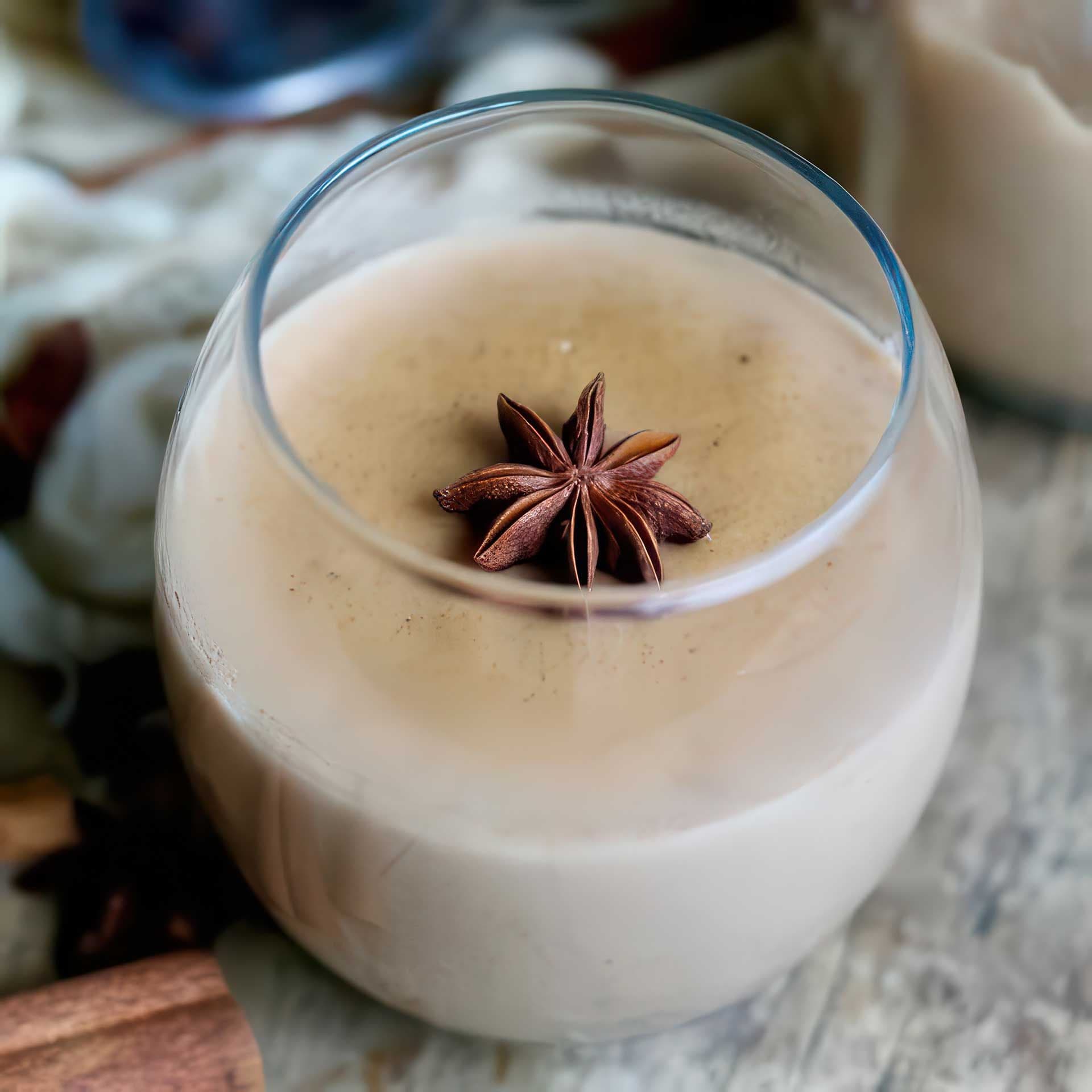
Food is another gateway to understanding Haiti. In the fishing village of Pestel, visitors can savour lambi (conch stew) or griot (fried pork marinated in citrus) served with pikliz, a spicy slaw. Meals are often shared communally, reflecting values of kinship and resilience. Even street snacks like marinade (spiced fritters) or akasan (a sweet corn-based drink) tell stories of cultural fusion and adaptation.
Language, too, offers insight. Haitian Creole, spoken widely across the country, is a product of colonial history and African heritage. It coexists with French, which remains the language of government and academia. Visitors who make the effort to learn a few Creole phrases are often met with warmth and appreciation.
Though Haiti has faced its share of challenges, natural disasters, political instability, and external debt burdens, these do not define it. Instead, it is the creativity of its artists, the strength of its communities, and the depth of its historical memory that shape the nation’s soul.
For the curious traveller, Haiti is not just a destination; it is an encounter. One that asks for sensitivity, patience and open-mindedness. In return, it offers a rich, unvarnished view of the Caribbean’s most historically charged and culturally vibrant country. To walk its streets, visit its monuments, and speak with its people is to engage with a place where history is not just remembered, but lived.
Whether you're tracing the footsteps of revolutionaries, swimming beneath waterfalls, or dancing in a street festival, Haiti invites you to witness its complexity and challenges you to reconsider everything you thought you knew about the Caribbean.